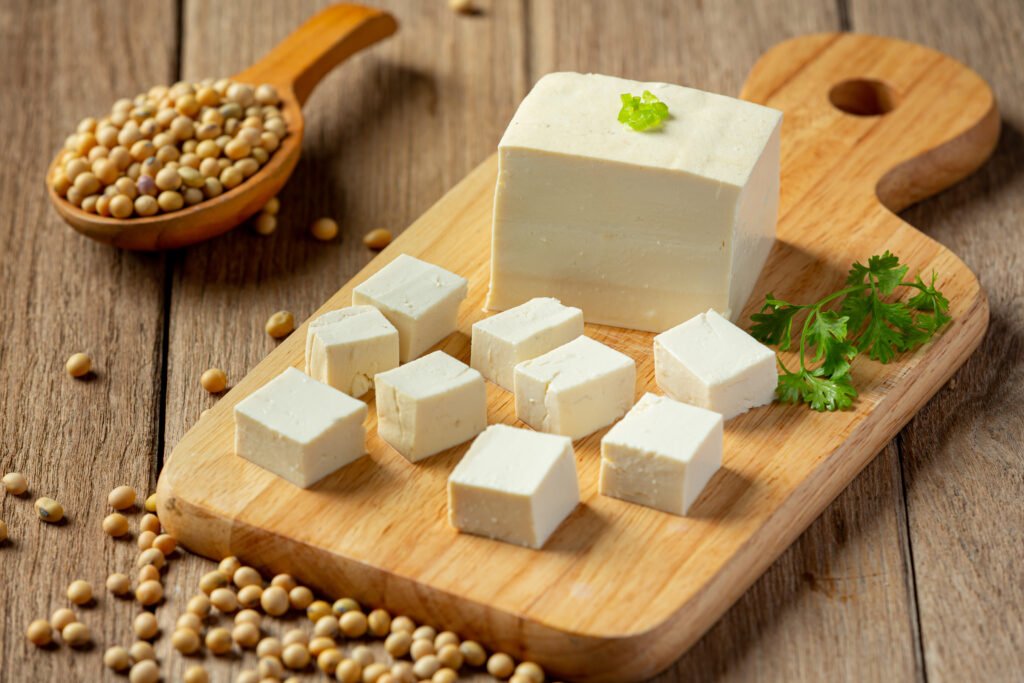
Put a cube of each on a plate and most people can tell within one bite. The fresh vs frozen paneer debate is not food snobbery. The two really do feel and taste different, and once you notice it, you cannot un-notice it.
At Krish’s Indian Bistro in Sewell, NJ, paneer goes into some of our most loved vegetarian Indian dishes, so this is something we care about a lot. Here is what actually changes when paneer is frozen, when it matters, and how to get the best out of whichever one you have. If it is your first visit and you are wondering what to order at Krish’s Indian Bistro, keep reading, because paneer is a great place to start.
The Short Answer: Yes, You Can Taste It
Fresh paneer is soft, moist and milky, with a gentle sweetness. Frozen paneer, once thawed, is firmer, drier and a little crumbly. The flavor is flatter too.
In a rich, heavily spiced gravy the gap is small. In a simple dish where paneer is the star, like paneer tikka, the gap is obvious.
What Happens to Paneer When It Is Frozen?
Paneer is roughly half water. When it freezes, that water turns into ice crystals. The crystals are sharp, and they push apart the soft protein network that holds the cheese together.
When the paneer thaws, the ice melts and some of that water leaks out and never goes back in. You are left with a block that has tiny holes all through it. That is why thawed paneer feels spongy when raw and can turn rubbery or grainy when cooked.
The longer it stays frozen, the more this happens. Paneer that has been in a freezer for months also picks up that dull “freezer” taste.
Fresh vs Frozen Paneer: Side by Side
- Texture: fresh is soft and creamy, frozen is firm and slightly crumbly
- Moisture: fresh is juicy, frozen is drier
- Flavor: fresh tastes of sweet milk, frozen is more neutral
- In a curry: fresh stays tender, frozen can turn chewy if cooked too long
- On the grill: fresh chars on the outside and stays soft inside, frozen dries out faster
- Shelf life: fresh lasts 3 to 4 days in the fridge, frozen keeps for months
Where the Difference Shows the Most
Some dishes hide frozen paneer well. Others expose it straight away.
You will notice it in:
- Paneer tikka and other tandoori dishes, where the paneer is eaten almost on its own
- Lightly sauced dishes like kadai paneer
- Paneer bhurji, where the crumbly texture turns dry
- Anything where the cubes are large
You will barely notice it in:
- Palak or saag paneer, where the spinach coats everything
- Shahi paneer and paneer makhani, with their thick, creamy sauces
- Stuffed parathas and kulchas, where the paneer is grated anyway
How to Tell If a Restaurant Uses Fresh Paneer
You do not need to ask the chef. Your fork will tell you.
Fresh paneer gives way easily when you press it. It has a smooth, clean cut surface, and it soaks up the gravy around it. If you bite in and it squeaks loudly, bounces back like rubber or tastes of nothing, it has probably spent time in a freezer or been overcooked.
Color is another clue. Fresh paneer is a soft, creamy white. Old or badly stored paneer looks dull and slightly yellow at the edges.
How to Buy and Store Paneer at Home
If you cook with paneer at home, a few habits protect the texture from the start. Look for a block that is bright, creamy white, firm to the touch and free of any sour smell. Check the date too, because fresh paneer is at its best within a few days of being made.
Once you open the pack, keep the paneer fully submerged in clean water in an airtight container in the fridge, and change the water every day. This stops the surface from drying out and gives you three to four days of soft, fresh-tasting paneer.
If you need to freeze it, cut the block into portions you will use in one go, wrap each one tightly and use it within about three months. Do not refreeze paneer once it has thawed, because every freeze and thaw breaks the structure down a little further. A good rule is to save your freezer paneer for dishes with thick gravies, where texture matters least, and keep fresh blocks for tikka, kadai and bhurji.
How to Make Frozen Paneer Taste Better
Frozen paneer is not bad. It is convenient, and with a little care it can be very good. Here is how to handle it:
- Thaw it slowly. Move it from the freezer to the fridge the night before. Never microwave it from frozen.
- Soak it in warm water. Cut it into cubes and leave them in warm, lightly salted water for 15 to 20 minutes. This puts moisture back in and softens the texture. It is the single most useful trick.
- Add it at the end. Paneer only needs a couple of minutes in the sauce. Long simmering makes it tough.
- Go easy on frying. If you fry it, do it quickly on medium heat until just golden, then drop the cubes straight into warm water or the gravy.
Is Frozen Paneer Less Healthy?
No. The protein, calcium and fat stay almost exactly the same. Freezing changes texture, not nutrition. If you want to know more about how paneer and other dishes fit into a balanced diet, read our post on whether Indian food is healthy.
Why Fresh Paneer Is Worth It
Paneer has a very mild taste of its own. Its whole job is to be soft and to carry the flavor of the sauce. When the texture goes, there is not much left to enjoy.
That is why good Indian kitchens are fussy about it. Soft paneer in a well-made gravy is one of the simplest pleasures in Indian food, and it is very hard to fake.
Paneer at Krish’s Indian Bistro
At Krish’s Indian Bistro, we want every cube of paneer on your plate to be soft, fresh-tasting and full of flavor. You will find paneer across our menu, from creamy curries to dishes cooked in the tandoor.
Pair your paneer with something from our Indian bread guide and you have a complete meal. Taste the difference for yourself: order online or reserve a table in Sewell, NJ.