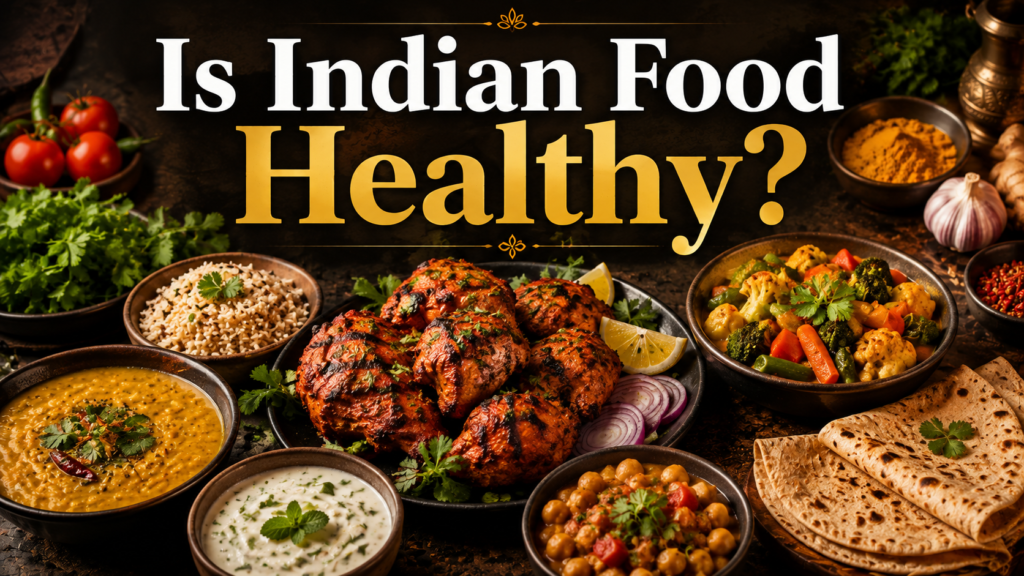
Indian food has a reputation for being rich, creamy, and indulgent — so it’s fair to ask: is Indian food healthy, or is it just delicious? The honest answer is that it can be both. Indian cuisine is built on vegetables, legumes, whole grains, yoghurt, and an extraordinary range of spices, many of which offer real nutritional benefits. Like any cuisine, some dishes are lighter and some are more indulgent, and knowing the difference helps you order in a way that suits your goals. This guide walks through popular Indian dishes and their nutritional highlights, so you can enjoy your favourites with a clearer picture of what’s on your plate. Balance, as always, is the key.
The Nutritional Strengths of Indian Cuisine
Before judging any single dish, it helps to see the bigger picture. Indian cooking naturally relies on a lot of nutrient-dense ingredients. Lentils and beans provide plant protein and fibre. Vegetables feature heavily, from spinach and cauliflower to okra and peas. Yoghurt appears in marinades, sauces, and sides, offering protein and probiotics.
Then there are the spices. Turmeric, cumin, coriander, ginger, and garlic aren’t just for flavour — many have been studied for antioxidant and anti-inflammatory properties. Whole grains like brown rice and wholemeal flatbreads add further fibre. So when people ask whether Indian food is healthy, the foundation of the cuisine is genuinely nutritious. A lot depends on how individual dishes are prepared and how much you eat.
Lighter Dishes to Enjoy Freely
Plenty of Indian dishes are naturally on the lighter side. Tandoori and tikka items are grilled rather than fried, so they tend to be leaner while still full of flavour. Lentil-based dishes like dal are rich in plant protein and fibre. Chana masala, made from chickpeas, is filling and nutritious. Vegetable-forward dishes such as bhindi (okra), saag, and mixed vegetable curries are packed with nutrients.
Sides can be smart too. Plain rice, wholemeal roti, cucumber raita, and fresh salads round out a meal without heaviness. Choosing a grilled starter, a lentil or vegetable main, and a simple bread or rice is an easy way to build a balanced Indian meal. It shows that eating well and eating deliciously are far from mutually exclusive.
Also Read: What to Order at Krish’s Indian Bistro — A Complete Guide for First-Timers in Sewell, NJ
Richer Dishes to Enjoy Mindfully
Some Indian dishes are more indulgent, and that’s perfectly fine in moderation. Creamy curries like butter chicken and korma use cream and butter, making them richer. Fried favourites such as samosas, pakoras, and puris are treats rather than everyday staples. Certain restaurant gravies can be generous with oil and cream to boost flavour.
None of this means these dishes are “bad” — they’re simply richer, and best enjoyed as part of a balanced meal. Pairing a creamy curry with a lighter side, or sharing indulgent dishes across the table, lets you enjoy them without overdoing it. The goal isn’t to avoid these favourites; it’s to appreciate them alongside the many lighter options the cuisine offers.
The Power of Indian Spices
One of the quiet health advantages of Indian food lies in its spices. Turmeric contains curcumin, widely studied for its anti-inflammatory potential. Ginger and garlic have long been valued for digestive and immune support. Cumin, coriander, and fenugreek add flavour while contributing their own beneficial compounds.
Because Indian cooking uses these spices generously and daily, meals are naturally rich in plant compounds that plain, unseasoned food often lacks. At Krish’s Indian Bistro, this respect for authentic spicing means dishes deliver both bold flavour and the subtle benefits that centuries of Indian cooking have relied upon. Far from being mere seasoning, these spices are a meaningful part of what makes the cuisine both tasty and nourishing.
Vegetarian and Plant-Based Options
Indian cuisine is one of the most vegetarian-friendly in the world, which is great news for anyone leaning towards plant-based eating. Entire categories of dishes are built around lentils, chickpeas, beans, paneer, and vegetables. This makes it easy to enjoy a satisfying, protein-rich meal without any meat at all.
Dishes like dal, chana masala, palak paneer, and vegetable curries prove that plant-based food can be hearty and full of flavour. The team at Krish’s Indian Bistro regularly sees guests discover just how varied and satisfying vegetarian Indian food can be. For those exploring meat-free meals, Indian cuisine offers some of the most flavourful and naturally balanced options you’ll find anywhere.
Tips for a Balanced Indian Meal
So, is Indian food healthy when you’re dining out? It can absolutely be, with a few simple habits. Balance a richer dish with a lighter one. Include vegetables or a lentil dish somewhere in your order. Choose grilled tandoori items alongside creamy ones. Opt for wholemeal breads or plain rice, and enjoy raita for a cooling, protein-rich side.
Sharing dishes is another great approach — it lets you taste variety without any single dish dominating the meal. And savouring your food slowly helps you enjoy it more. These aren’t strict rules, just easy ways to build a meal that feels satisfying and balanced. Indian menus are wonderfully varied, which makes eating well genuinely enjoyable rather than restrictive.
So, Is Indian Food Healthy?
The verdict: Indian food is as healthy as the choices you make within it. The cuisine’s foundations — vegetables, legumes, yoghurt, whole grains, and beneficial spices — are genuinely nutritious. Some dishes are lighter, some richer, and a balanced plate can happily include both. Rather than labelling the whole cuisine “healthy” or “unhealthy,” it’s more useful to see it as a spectrum offering something for every appetite and goal. Enjoyed thoughtfully, Indian food can be one of the most flavourful and nourishing cuisines around.
Also Read: Which Indian Restaurants Offer the Best Large Tray Catering and Takeout in NJ?
Conclusion
Asking is Indian food healthy misses the richer truth: this is a cuisine capable of being both indulgent and genuinely good for you, depending on what you order. With its wealth of vegetables, lentils, yoghurt, whole grains, and health-supporting spices, Indian cooking gives you plenty of nourishing choices alongside the occasional treat. Understanding which dishes are lighter and which are richer puts you in full control of your meal — and lets you enjoy every bite with a clear conscience.
Want to build a delicious, balanced Indian meal tonight? Visit at Krish’s Indian Bistro and order your perfect plate.