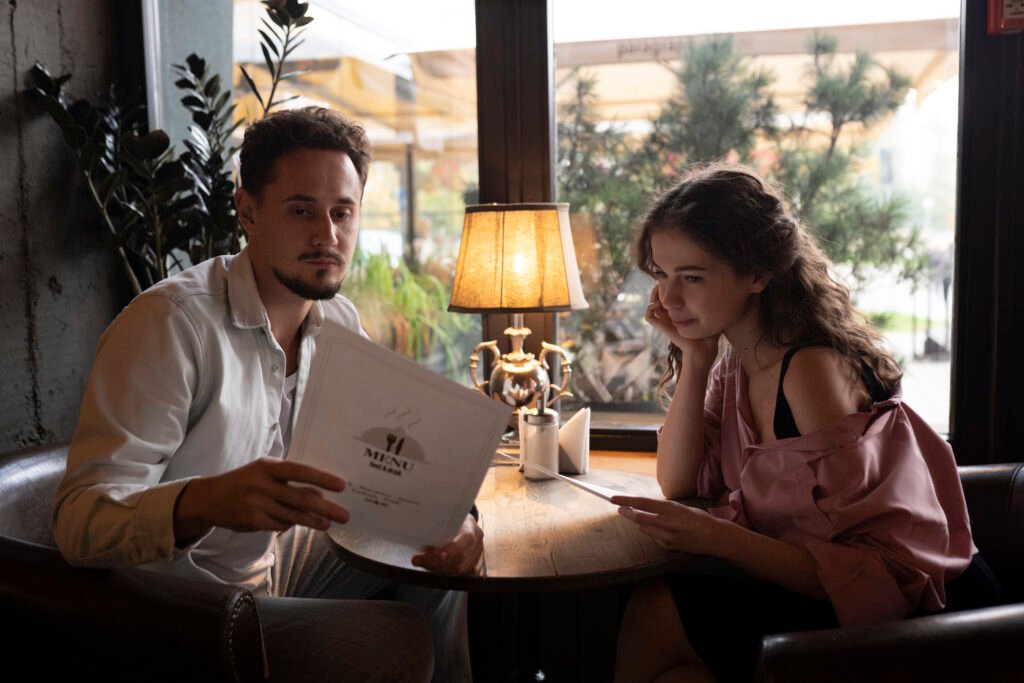
It is the most common problem at any Indian dinner table. One person wants their curry properly hot. The other starts sweating at the sight of a green chili. You both want the butter chicken. So can two people order different spice levels from the same dish?
Yes and no. And once you understand how Indian food spice levels are actually built in the kitchen, the solution is simple. At Krish’s Indian Bistro in Sewell, NJ, we help couples and families sort this out every single day. If you are still building up your heat tolerance, our post on eating spicy food regularly is a good place to start. Here is how it works.
The Short Answer
If you order two separate portions of the same dish, yes, each one can be made at a different spice level.
If you order one portion to share, it can only be cooked at one level. A single pot of curry cannot be mild on the left and hot on the right. But there are easy ways around that, and none of them involve anyone suffering.
How Spice Levels Work in an Indian Kitchen
This surprises a lot of people: the flavor of a curry and the heat of a curry are two separate things.
The base of most dishes is a sauce built from onions, tomatoes, ginger, garlic and ground spices like cumin, coriander and turmeric. That is where the flavor lives, and none of those ingredients are hot.
The heat comes almost entirely from chilies: fresh green chili, dried red chili and chili powder. In a kitchen that cooks to order, the chef adjusts those when your dish is being finished. Mild gets very little. Hot gets a generous amount.
So asking for mild does not mean asking for bland. You still get all the spice. You just get less fire.
What Do Mild, Medium and Hot Really Mean?
Every restaurant has its own scale, but as a general guide:
- Mild: all the flavor, almost no burn. Good for kids and first-timers.
- Medium: a gentle warmth that builds slowly. Most guests choose this.
- Hot: real, noticeable heat for people who eat spicy food often.
- Indian hot or extra hot: how it might be made in a home in India. Order with respect.
If you are unsure, go one level lower than you think. It is easy to add heat at the table. It is very hard to take it away.
5 Ways to Share One Dish at Two Spice Levels
1. Order for the Milder Person, Add Heat on the Side
This is the best trick in the book. Order the dish mild or medium, then ask for something hot on the side: chopped fresh green chilies, chili pickle (achar), hot chutney or crushed red chili.
The spice lover stirs it into their own portion. Everyone eats the same dish, at their own level.
2. Order Two Different Dishes
One mild, one hot. Share the mild one and let the spice lover have most of the hot one. It also means more variety on the table.
3. Pick Dishes That Suit the Heat Level
Some dishes are meant to be gentle: butter chicken, korma, dal makhani, saag paneer. Others are meant to bite: vindaloo, kadai dishes, chettinad curries. Order one from each camp and nobody has to compromise.
4. Keep Coolers on the Table
Raita, plain yogurt, lassi, rice and naan all calm the heat down. If the dish turns out spicier than expected, a spoon of raita mixed into your portion fixes it in seconds.
5. Ask for Two Half Portions
Some restaurants can split a dish into two smaller portions at different heat levels, depending on how busy the kitchen is. It never hurts to ask politely.
Dishes That Cannot Be Fully Customized
A few things are prepared ahead of time, so their heat is already set:
- Tandoori items. The marinade goes on hours before cooking.
- Biryani. It is cooked in a batch on slow steam.
- Samosas and fried starters. The filling is made in advance.
- Buffet dishes. These are usually kept at a mild to medium level so everyone can enjoy them.
That last point makes a buffet a great low-risk way to find your own comfort zone. Our lunch buffet in Sewell lets you taste a little of everything before you commit.
Common Spice Mistakes First-Timers Make
A few simple slip-ups cause most of the “that was too hot” stories:
- Ordering hot because it sounds fun. Heat is easy to add and hard to remove, so start lower and move up on your next visit.
- Reaching for water. Water only spreads the burn around. Dairy or rice works far better.
- Judging a whole restaurant by one dish. A dish like vindaloo is meant to be fiery, while a korma is meant to be gentle. Compare dishes of a similar style.
- Forgetting that food keeps heating up. Chili heat tends to build as you eat, so a curry that feels fine at the first bite can feel stronger by the tenth.
- Not mentioning allergies or dietary needs. Always tell your server about these when you order, along with your spice level.
New to the menu altogether? Our guide on what to order at Krish’s Indian Bistro points to the most beginner-friendly dishes.
How to Cool Your Mouth If It Is Too Hot
Reach for dairy, not water. The compound that makes chilies burn does not dissolve in water, so a cold glass only spreads it around. Milk, yogurt, raita or lassi actually wash it away.
Rice, bread and a little sugar help too. And give it a minute. The burn always fades.
Ordering for a Group or a Party
For a family dinner or an event, the safest plan is to keep most dishes at mild to medium and add one or two properly spicy dishes for those who want them. Put chili pickle and green chilies on the side.
This works beautifully for family-style takeout and for catering, where guests of all ages and tastes are eating together.
Does Eating Spicy Food Get Easier?
It does. People who eat chili regularly become less sensitive to it over time. If you want to build your tolerance, move up one level every few visits. It is mostly good news, and the burn becomes more enjoyable once you know what to expect.
Tell Us Your Spice Level at Krish’s Indian Bistro
At Krish’s Indian Bistro, we would much rather you ask than guess. When you order, tell us how hot you like it, and tell us if two people at the table want different things. We will suggest the best way to make it work.
Planning a get-together? Our Indian family-style takeout guide helps you balance the heat across a big order, and if you are planning something bigger, you can book an event and we will help you shape the menu. Browse the menu, then order online or reserve a table in Sewell, NJ.