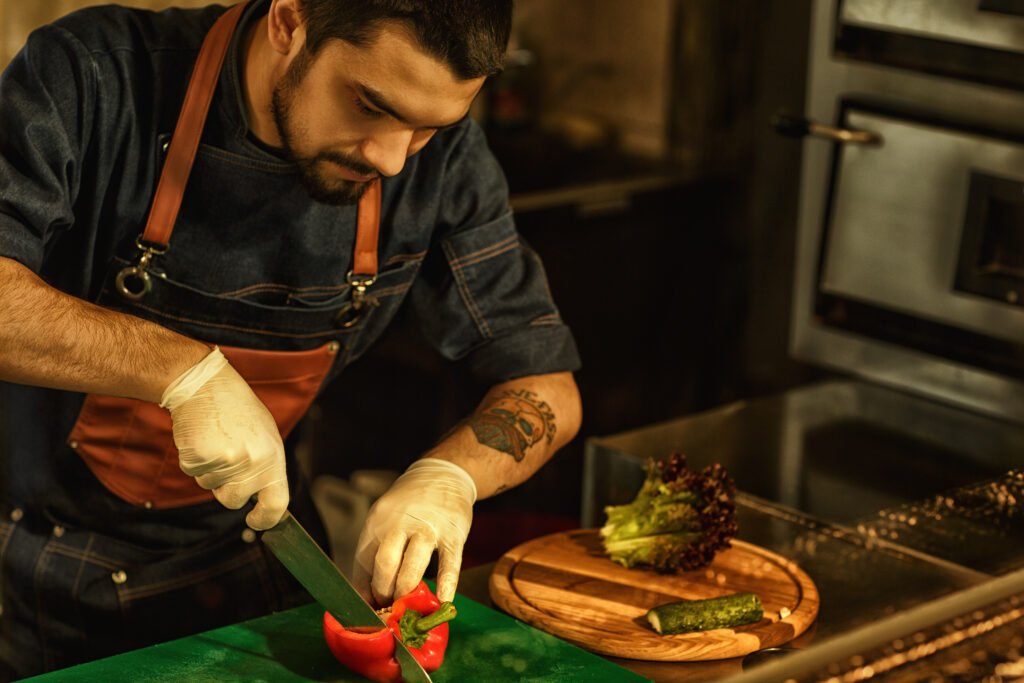
The honest answer is: it’s rarely one secret ingredient. Getting a genuine restaurant-style taste at home comes down to technique, timing, and a handful of habits that most home cooks skip without realizing how much they matter. At Krish’s Indian Bistro, our kitchen team follows disciplines that took years to refine, and while you won’t replicate a professional tandoor overnight, understanding these techniques will get your home cooking noticeably closer to that restaurant-style taste at home you’re chasing.
It Starts With How Spices Are Treated, Not Just Which Ones Are Used
Most home cooks own the right spices — turmeric, cumin, coriander, garam masala — but chefs treat them completely differently. Whole spices are toasted in oil before anything else goes into the pan, which releases essential oils that ground spices alone can’t produce. This single step, called “tempering” or tadka, is one of the biggest reasons restaurant dishes taste layered while home versions can taste flat, even when the same spice list is used.
Building the Base (Bhuna) Properly
Indian restaurant cooking relies heavily on a slow-cooked onion-tomato-ginger-garlic base, known as bhuna, that’s cooked far longer than most home recipes suggest. Rushing this step is the single biggest reason home-cooked curries taste thinner than restaurant versions. Chefs let this base cook until the oil visibly separates from the masala — a clear signal that the flavors have fully developed. This is one of the differences we explain in our piece on the difference between curry and masala, which is essential reading if you’re trying to understand why restaurant gravies taste so much richer.
Marination Time Actually Matters
Restaurants marinate proteins for hours, sometimes overnight, using a combination of yogurt, ginger-garlic paste, and spices that tenderize the meat while infusing flavor deep into it — not just on the surface. This is a core part of achieving tandoori-style flavor, something we cover in detail in what is tandoori cooking. Skipping or shortening marination is one of the most common reasons home versions of tandoori chicken or tikka taste noticeably different.
Layering Flavor in Stages, Not All at Once
A home cook will often add all their spices at the start and let the dish simmer. Chefs layer flavor in stages — some spices go in early to build the base, others are added midway, and a final garnish of garam masala or kasuri methi (dried fenugreek leaves) goes in right at the end to keep the aroma fresh. That final touch is a huge, often-overlooked reason restaurant dishes smell and taste more vibrant straight off the stove.
Using the Right Fat, in the Right Amount
Ghee, mustard oil, or a blend of oils are used deliberately depending on the dish, and restaurants generally use more fat than health-conscious home cooks are comfortable with — but that fat is what carries flavor. The good news is you don’t need excessive cream or butter to get a rich restaurant-style taste at home; smart fat choices matter more than sheer quantity. We go deeper into this balance in our article on whether Indian food can be rich without cream.
Finishing Techniques Home Cooks Skip
Restaurants finish dishes with small but powerful additions — a drizzle of cream swirled (not stirred) into a curry, a charcoal smoking technique called dhungar for smoky flavor, or a final tempering of ghee and spices poured over dal right before serving. These finishing touches take seconds but make a dramatic difference in how “restaurant-style” a dish tastes.
Bread Made Fresh, Not Reheated
A huge part of the restaurant experience comes from freshly made naan or roti served hot off the tandoor or tawa, rather than bread that’s been sitting out. If you’re curious about the different types of Indian bread and how each is meant to be made, our Indian bread guide covering naan, roti, and kulcha explains the technique differences that home kitchens often can’t fully replicate without a tandoor — but understanding them still helps you get closer at home.
Balancing Salt and Acid Like a Chef
Professional cooks constantly taste and adjust salt, acidity (from tomatoes, yogurt, or a squeeze of lime), and sweetness throughout cooking, not just at the end. This ongoing balancing act is one of the most underrated reasons restaurant food tastes “complete” while home-cooked versions can taste slightly unbalanced, even with the correct ingredients.
When Recreating It at Home Isn’t Worth the Effort
Some techniques — like a real tandoor’s intense heat, or a kitchen’s ability to prep large batches of masala base daily — genuinely can’t be replicated in a home kitchen no matter how skilled you are. In those cases, it makes more sense to order the dish and enjoy it as intended. Our family-style Indian takeout menu is built exactly for guests who want that authentic restaurant-style taste at home without spending hours in the kitchen.
Final Thought
Getting a true restaurant-style taste at home is absolutely possible with the right techniques — proper spice tempering, patient base-building, real marination time, and thoughtful finishing touches. But there’s also nothing wrong with letting the professionals handle it on a busy weeknight. Browse the full menu at Krish’s Indian Bistro, or check out what to order if you’d rather enjoy that restaurant-style taste without the prep work.