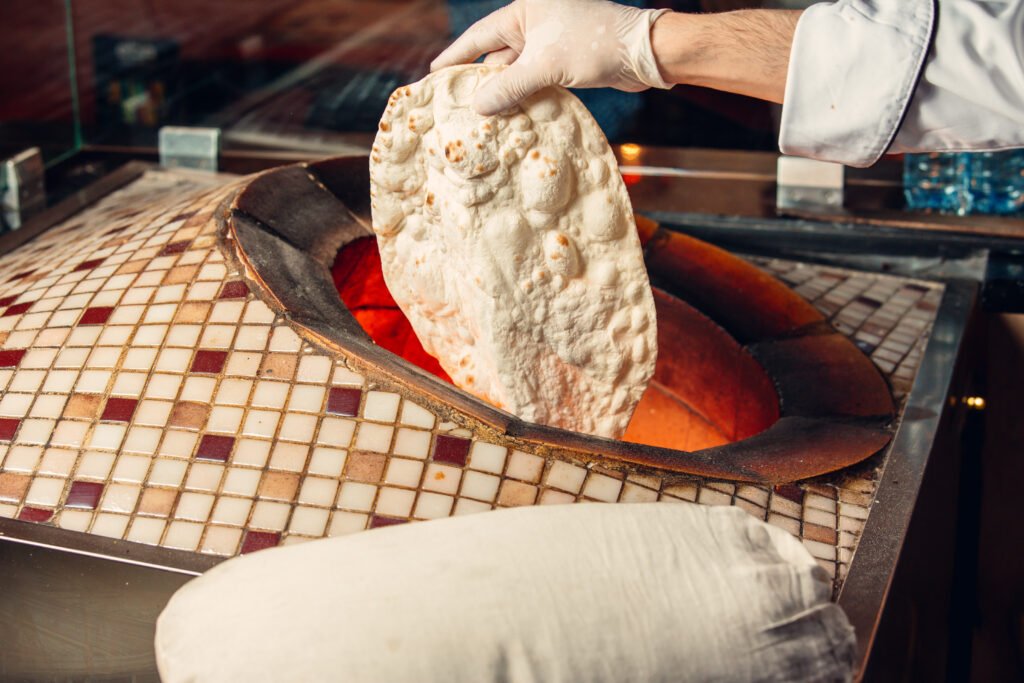
The secret behind soft restaurant naan isn’t one single trick — it’s a combination of dough composition, fermentation time, and extremely high, direct heat that most home kitchens simply can’t reproduce. At Krish’s Indian Bistro, naan is made fresh throughout service, and once you understand what actually goes into getting that pillowy texture, you’ll never look at a plate of naan the same way again.
It Starts With the Right Flour and Fat
Restaurant-style naan is typically made with all-purpose flour (maida) rather than whole wheat, which produces a softer, more elastic dough. Fat also plays a critical role — ingredients like yogurt, ghee, or milk are worked directly into the dough, which keeps the bread tender rather than dense. This is a big part of the secret behind soft restaurant naan that’s easy to overlook if you’re only thinking about the cooking method.
Yogurt and Leavening Create the Signature Softness
Most naan recipes include yogurt, which adds both moisture and a slight tang while also contributing to a softer crumb through its acidity. Combined with a leavening agent — traditionally yeast, though baking soda or baking powder is sometimes used — the dough rises and develops air pockets that give naan its characteristic light, chewy texture rather than the dense flatness of unleavened bread. This is one of the key differences we outline in our Indian bread guide covering naan, roti, and kulcha, which breaks down exactly how each bread differs in preparation.
Resting Time Isn’t Optional
After mixing, naan dough needs adequate resting time — often an hour or more — to allow the gluten to relax and the yeast (if used) to properly ferment. Skipping or rushing this step is one of the most common reasons homemade naan turns out tougher or denser than what you’d get in a restaurant. Chefs build this resting time into their prep schedule specifically because there’s no shortcut around it.
The Tandoor Is the Real Game-Changer
This is arguably the biggest piece of the secret behind soft restaurant naan: the tandoor itself. A traditional clay tandoor reaches extremely high temperatures — often 800°F or more — and naan is slapped directly onto the scorching interior walls, where it cooks in under two minutes. This intense, direct heat creates a naan that’s crisp and slightly charred on the outside while staying soft and pillowy on the inside, a texture contrast that’s very difficult to achieve in a standard home oven or stovetop. We explain this cooking method in more depth in our article on what tandoori cooking actually is.
Steam Trapped Inside the Dough
As naan cooks at such high heat, the moisture inside the dough rapidly turns to steam, which puffs the bread up and creates those signature air pockets you see in a good piece of restaurant naan. This rapid steam action happens almost instantly in a tandoor, whereas slower home-oven cooking allows moisture to escape more gradually, resulting in a flatter, less airy bread.
A Final Butter Brush Right Off the Tandoor
The moment naan comes off the tandoor, it’s often immediately brushed with melted butter or ghee. This isn’t just for flavor — it also helps lock in moisture and keeps the bread soft as it cools slightly before reaching your table. Skipping this step, or letting naan sit too long before serving, is a common reason bread can turn chewy or stiff by the time it’s eaten.
Freshness Timing Matters More Than People Realize
Naan is at its best within minutes of coming out of the tandoor. The longer it sits, the more moisture escapes and the tougher it becomes — which is exactly why restaurants aim to serve naan fresh and hot rather than pre-made in batches. This is part of the overall dining experience we focus on at Krish’s Indian Bistro, where bread is prepared to order rather than kept warming for extended periods.
Can You Replicate This at Home?
You can get reasonably close by using a pizza stone or cast-iron skillet at the highest heat your kitchen allows, along with proper dough resting time and a yogurt-based dough. That said, without true tandoor-level heat, home naan will rarely match the exact texture of restaurant naan — which is one of the reasons this particular bread is best enjoyed fresh from a proper tandoor setup. If you’d rather skip the guesswork, our family-style takeout menu includes freshly made naan with every order.
Final Thought
The secret behind soft restaurant naan comes down to a well-rested, yogurt-enriched dough cooked fast and hot in a real tandoor, then finished with butter the moment it comes out. It’s a combination of ingredients and equipment that’s genuinely hard to replicate at home, which is part of what makes fresh tandoor naan such a satisfying part of dining out. Come taste it fresh at Krish’s Indian Bistro — check out our menu or reserve a table today.