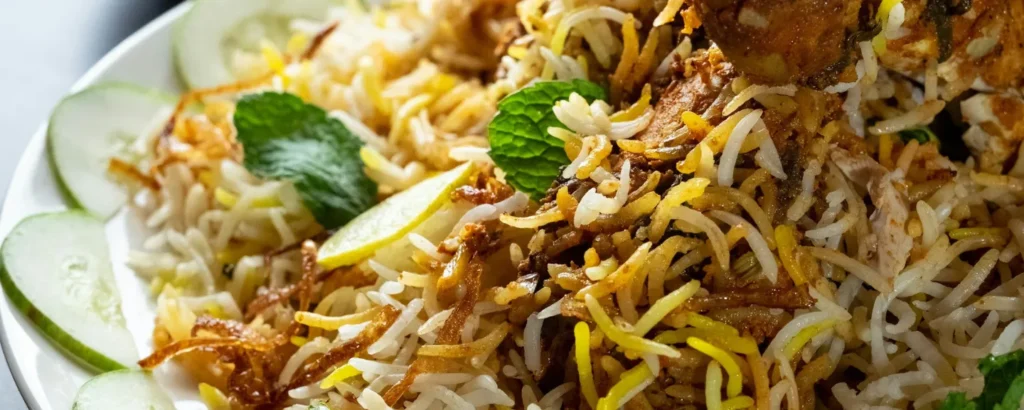
Why Biryani Is the Dish That Tells You Everything
If you want to know how seriously a restaurant takes its food, ask about the biryani. Not just whether they have it — every Indian restaurant has biryani on the menu. Ask how they make it. Ask whether they do dum. Ask what rice they use and how long the meat cooks before it goes into the pot.
Most places cannot answer those questions very specifically. The biryani at many Indian restaurants outside major cities is assembled rather than cooked — pre-made components combined and heated together, plated up, and sent out looking like biryani without being biryani in any meaningful sense of the word.
At Krish’s Indian Bistro in Sewell, NJ, the answers are specific because the process is specific. The mutton biryani here is the result of a cooking approach that has not been simplified for speed or scaled back for convenience. It takes the time it takes, uses the ingredients it requires, and produces something that regulars drive from across Gloucester County to eat.
This guide walks through exactly how the best biryani in Sewell, NJ gets made — from the rice selection through to the sealed dum pot and everything in between.
The Word “Dum” — What It Actually Refers To
Dum biryani is named after a cooking technique, not a flavor profile. The word itself comes from Persian, meaning breath or steam, and it describes the method precisely: food is cooked in a sealed vessel using the steam generated by the moisture already present in the pot.
The practical reality of dum cooking is this: partially cooked rice is layered over partially cooked meat and masala, the pot is sealed — traditionally with a rope of dough pressed around the lid — and then placed over low heat. Sometimes coals go on top as well. The cooking continues from both directions, with the steam circulating inside the sealed vessel and the heat coming from below and above simultaneously.
What this produces is a rice dish where the grains have absorbed the aromatic steam from the spiced meat below them. Every grain ends up carrying the flavor of the masala in a way that simply mixing cooked rice with cooked meat cannot produce. The meat, meanwhile, finishes cooking in the steam and remains moist and tender without drying out or losing its texture.
This is the method used for the biryani at Krish’s Indian Bistro. Not a gesture toward it, not an approximation — the actual process, followed correctly, every time.
The Rice: Long-Grain Aged Basmati and Why Anything Else Falls Short
Choosing the wrong rice for biryani is one of the most common ways restaurants cut corners without most diners noticing — until they compare it side by side with the real thing.
Biryani requires aged, long-grain basmati. The aging process reduces the moisture content of the grain, which means it behaves differently when cooked: the grains stay separate rather than clumping, they absorb liquid and steam without breaking down, and they hold their structure through the dum process without becoming mushy.
Young or short-grain rice does not behave this way. It absorbs moisture too quickly, breaks down under the weight of sealed steam cooking, and produces a dense, slightly gluey result that looks roughly correct but does not have the texture that makes a great biryani worth eating.
At Krish’s Indian Bistro, the basmati is sourced with the dum process in mind. The rice is washed and then parboiled — brought to roughly 70 percent done — before it goes into the dum pot. That parboiling stage matters too. Under-parboiled rice will not finish properly in the dum. Over-parboiled rice will collapse. Getting it to exactly the right stage requires experience, attention, and the confidence to pull the pot off the heat at precisely the right moment.
The Mutton: Marination, Bhunna, and the Patience the Meat Requires
Mutton biryani is considered the most demanding version of the dish. There is a reason for that. Mutton — specifically the tougher cuts from older animals — has a high collagen content that does not yield quickly. The meat will stay tough and chewy unless it is given enough low, slow heat to break that collagen down into gelatin. And once it does break down, the texture changes entirely: the meat becomes silky, pulls apart easily, and has a depth of flavor that chicken simply does not produce.
At Krish’s Indian Bistro, the mutton is marinated before anything else happens. The marinade is yogurt-based — yogurt has enzymes and lactic acid that begin tenderizing the meat before heat is ever applied — with ginger-garlic paste, whole spices, and the house spice blend. The meat sits in that marinade long enough for it to actually penetrate the muscle rather than just coat the surface.
Then it goes into the masala. The mutton is cooked down in the curry base — onion, tomato, aromatics, whole spices, ground spice blend — until the oil separates out from the gravy. That stage, called bhunna in Indian cooking, is the indicator that the raw flavors have cooked out and the masala has reached the right level of development. It cannot be rushed. You cannot add more heat to get there faster. The masala either reaches bhunna on its own timeline or it does not.
Only after the mutton has gone through the full marinade and masala process does it go into the dum pot. By the time the pot is sealed, the meat is already most of the way done — the dum is the finishing step, not the cooking step.
Also Read: Why Indian Food Trends in New Jersey Are Winning Every Food Lover’s Heart
Layering the Pot: How the Biryani Comes Together
The assembly of a dum biryani pot is not complicated, but the order matters and the proportions matter.
The bottom layer is masala and meat. Then comes a layer of parboiled basmati. Then aromatics — fried onion, fresh mint and coriander, sometimes a few drops of kewra water or rose water, whole spices placed deliberately throughout. Then another layer of rice. Then more garnish. Then the pot is sealed and placed over heat.
At Krish’s Indian Bistro, saffron-steeped milk is poured over the top layer of rice before sealing. As the steam rises and falls inside the sealed pot, the saffron migrates through the rice, leaving uneven streaks of color — the visual marker of a properly layered biryani, and one of the things that immediately distinguishes it from a mixed or assembled version.
Why the Chicken Biryani Is Also Worth Ordering
The mutton biryani gets most of the attention — and deserves it. But the chicken biryani at Krish’s Indian Bistro is a strong second, particularly for people who want a lighter plate or who are visiting for the first time and not sure about mutton.
Chicken tenderizes faster than mutton, which means the dum time is shorter and the marination can be adjusted accordingly. The challenge with chicken biryani is avoiding overcooking — dry, stringy chicken inside a dum biryani is a common failure mode in kitchens that do not calibrate the timing carefully. At Krish’s Indian Bistro, the chicken stays moist and well-seasoned throughout because the dum time is matched to what the protein actually requires.
The chicken is marinated overnight — the same discipline applied to the tikka masala preparation — which means the flavor penetrates fully before cooking begins. The result is a biryani where the chicken tastes of the masala rather than just having masala around it.
Also Read: How to Pick the Perfect Indian Restaurant for a Wonderful Meal
How to Eat It: The Raita Question
Biryani and raita are not separate things. They are one dish served in two bowls. The raita — yogurt-based, cooling, lightly seasoned with cumin and coriander — exists to balance the warmth and spice of the biryani. Without it, the biryani can feel front-heavy: all the aromatic intensity with no counterpoint.
With a spoonful of raita on the side of the plate, each bite of biryani has somewhere to land. The cool acidity of the yogurt cuts through the richness of the masala, refreshes the palate, and makes the next bite of spiced rice taste better than the last. This is not optional at Krish’s Indian Bistro — the raita comes with the biryani because it is part of the dish.
The Short Version
The best biryani in Sewell, NJ is not the result of a recipe shortcut or a convenience product. It is the result of a process followed correctly — aged basmati parboiled to the right stage, halal mutton marinated and cooked in a properly built masala, whole spices layered at each stage, and a dum pot sealed and left alone until the steam has done what steam does.
Krish’s Indian Bistro in Sewell is where that process happens. Come for the biryani first. Stay for everything else.
Order the best halal biryani in Sewell, NJ at Krish’s Indian Bistro — dine-in, takeout, or lunch buffet Tue–Sun. Full menu at krishsindiancuisine.com or call 856-473-5550.